The Land Where Sikhism Was Born
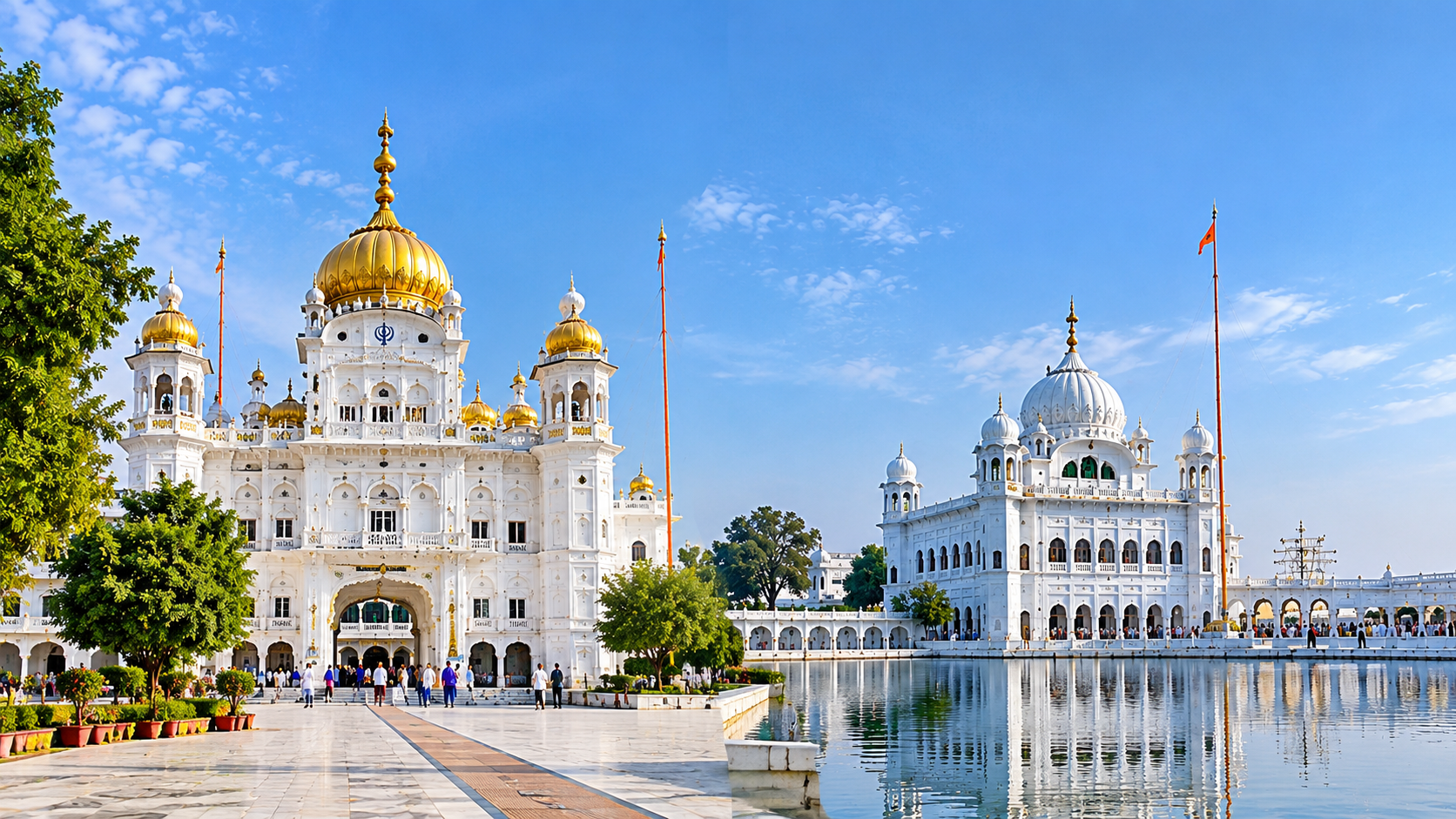
The territory of modern-day Pakistan — particularly the Punjab plains watered by five great rivers (the Indus, Jhelum, Chenab, Ravi, and Sutlej) — is the cradle of Sikhism. It was here that Guru Nanak Dev Ji was born in 1469 at Nankana Sahib, established the first Sikh settlement at Kartarpur, and left behind the physical legacy of the faith.
The Era of the Gurus (1469-1708)
The ten Sikh Gurus lived, taught, and in several cases died in the region that is now Pakistan and Indian Punjab. Key events in Pakistani territory include:
- 1469: Guru Nanak Dev Ji born at Nankana Sahib
- 1522: Guru Nanak establishes the settlement of Kartarpur on the banks of the Ravi
- 1539: Guru Nanak Dev Ji passes away at Kartarpur
- 1606: Guru Arjan Dev Ji martyred in Lahore — the first Sikh martyr
The Sikh Confederacy and Rise of Sikh Power (1708-1799)
After the death of Guru Gobind Singh Ji in 1708, the Khalsa emerged as a political and military force in the Punjab. Multiple Sikh misls (confederacies) gradually pushed back Mughal and Afghan domination until Sikh power dominated the region.
The Sikh Empire of Maharaja Ranjit Singh (1799-1849)
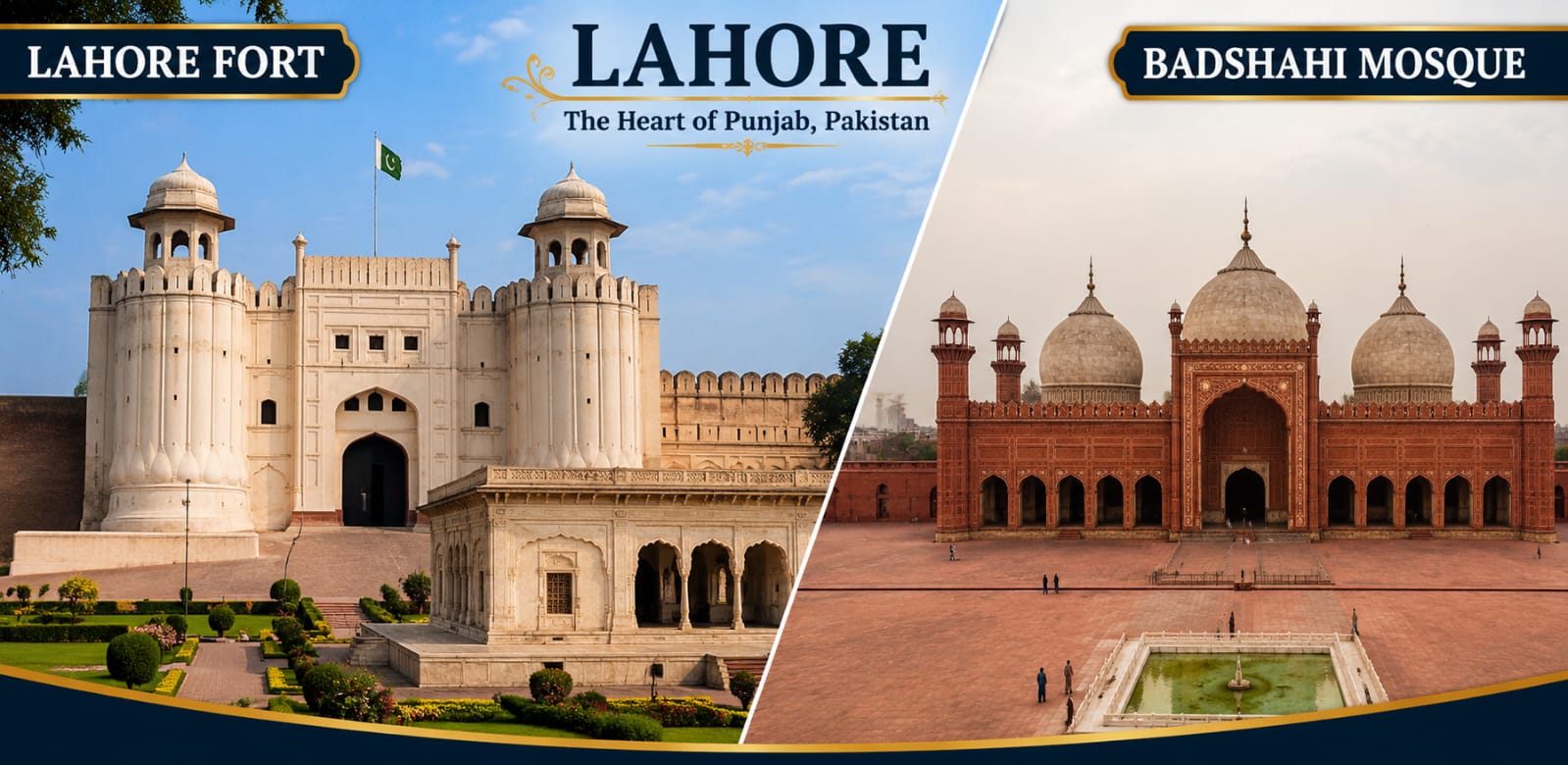
The highpoint of Sikh political power came under Maharaja Ranjit Singh, who unified the Sikh misls, captured Lahore in 1799, and established the Sikh Empire — one of the most powerful and progressive states in 19th-century Asia.
At its height, the Sikh Empire stretched from the Khyber Pass in the west to the Sutlej River in the east, from Kashmir in the north to Sindh in the south — an empire of extraordinary scale and diversity.
Maharaja Ranjit Singh's court at Lahore was celebrated for its religious tolerance. Muslims, Hindus, Sikhs, and Europeans all served in his army and administration.
Partition of 1947 and Its Impact on Sikh Heritage
The Partition of British India in August 1947 was catastrophic for the Sikh community. The newly drawn border separated millions of Sikhs from their sacred sites in what is now Pakistan. Hundreds of historic Gurdwaras fell into disrepair as Sikh pilgrims could not access them.
The Revival of Sikh Heritage in Pakistan
In recent decades, Pakistan has made heartening strides in preserving and celebrating its Sikh heritage. Key milestones include:
- Establishment of the Evacuee Trust Property Board (ETPB) to manage and restore Gurdwaras
- Regular opening of borders for Sikh pilgrimage groups on occasions of Gurpurab and Baisakhi
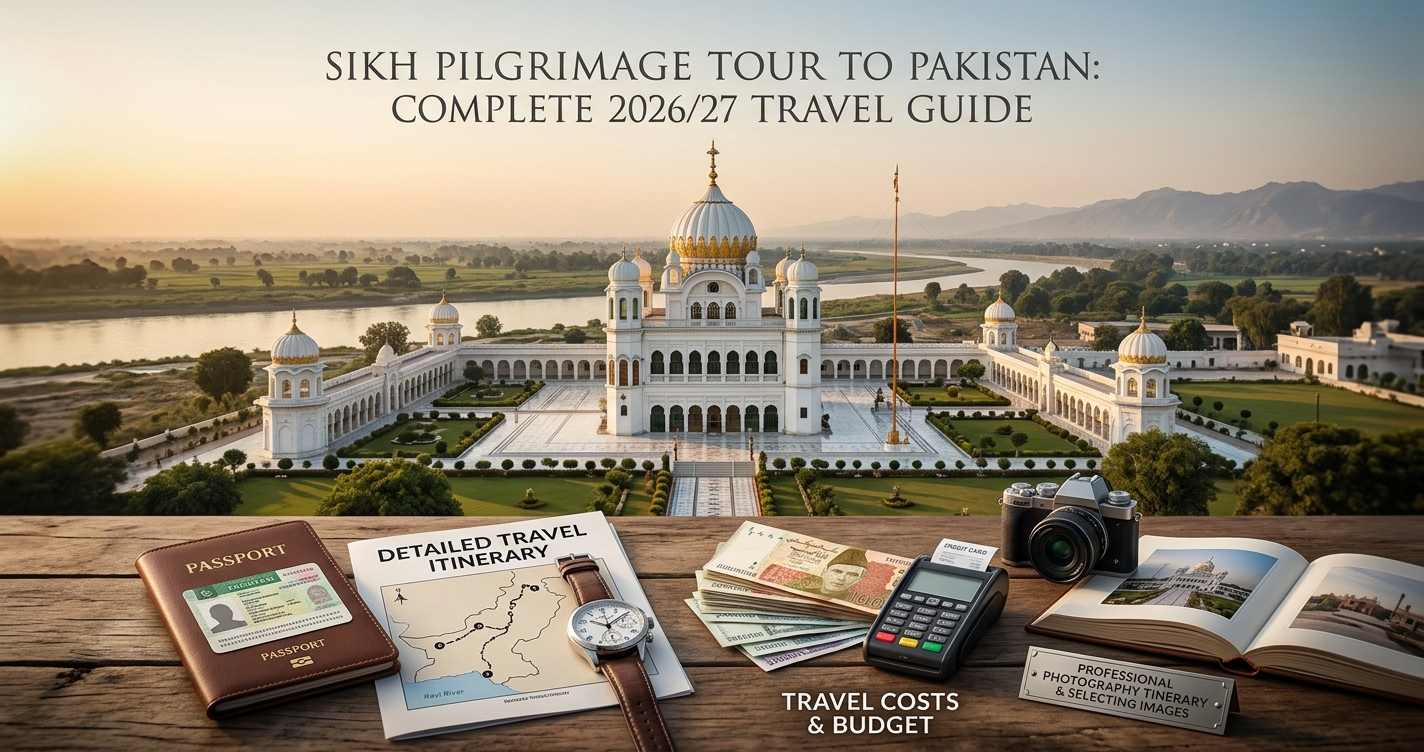
- The historic opening of the Kartarpur Corridor in 2019
- Pakistani government investment in restoring Gurdwaras at Nankana Sahib and Hassan Abdal
Today, Pakistan's Sikh heritage is recognised as a priceless cultural and spiritual treasure — not just for Sikhs, but for all of humanity.